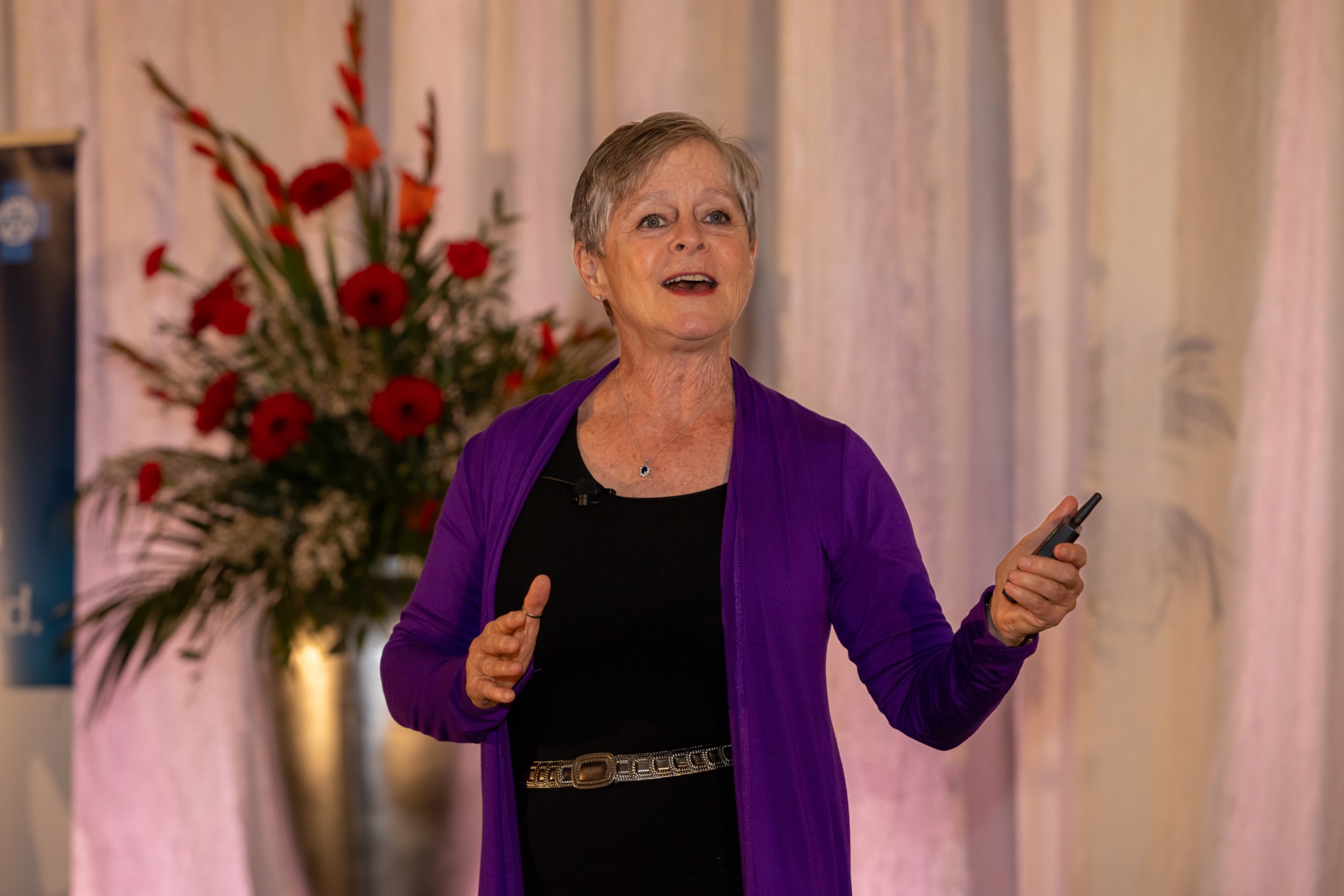
My biggest joys as an anti-domestic violence speaker
As an anti-domestic violence speaker, it is my job and my joy to help people recognize and understand the whole spectrum of intimate partner abuse. Too many people believe that abuse begins when she slaps him or he punches her, but that’s rarely where it starts. Domestic abuse that turns into physical violence is almost always preceded by acts of coercive control that escalate over time.
First comes the charm offensive—‘You are the most wonderful person in the world! Tell me your secrets, your insecurities; I’ll protect you!’ That’s followed or interspersed with seemingly reasonable requests — repairs, really. Improvements —that erode your autonomy and self confidence.
“You’d look prettier if you wore more makeup.” Less makeup. Shorter skirts. More modest clothing. Stopped telling stupid jokes. Quit snorting when you laugh. Stop talking to other men/women, since that’s threatening. Stop talking to your friends — they’re a bunch of man/woman haters. See the pattern? Your self-esteem becomes battered before your body ever does.
Then the isolation builds, couched as I-love-you-so-much-and-I’m-terrified-of-losing-you-if-you’re-close-to-another-man/woman/gender of interest. Or if you have friends. Or if you talk to your family.
Eventually you have no one providing perspective, no one to serve as witness. No one to say, “Yes, your partner really said that. Yes, it’s reasonable that you feel hurt.” No one to help you when you run out of gas. Or out of money. Only the abuser is still in your life.
And then it escalates. That job you value, the one where you earn your own money, build your own sense of importance in the wider world? You don’t need that. I’ll take care of you. And if you don’t acquiesce, if you insist on your own income, they’ll sabotage it by ‘losing’ your car keys or not coming home in time to watch the kids so that you can go to work, or piling your work clothes in the front yard and hitting them with a squirt of lighter fluid and a dropped match. These are all stories I hear after my domestic violence speeches. Because abusers do that. They control the money, so they control you.
Consider this: does a fish see water? It’s hard to see something when you’re immersed in it, surrounded by it, relying on it. So too in a controlling relationship. You come to think it’s normal, that you deserve it, that other couples are just as conflict-ridden behind closed doors. Your façade is shiny, right? So their apparent peace and happiness must also be fake, or so you start to believe.
As a speaker on domestic violence – now often called intimate partner violence – I unfurl my family’s story to illustrate why victims stay. Because that’s always the first question, right? Why’d she stay? Why’d he put up with it? Why didn’t they leave? Blaming the victim is a too-common reaction. But there are reasons people stay.
Maybe you can’t afford to leave. Maybe your abuser has threatened to take the kids/house/pets, to ruin your reputation, to expose your secrets to the world, to leave you penniless, to kill themselves and make sure everyone knows that it’s your fault. If only you’d been a better partner, this wouldn’t be necessary.
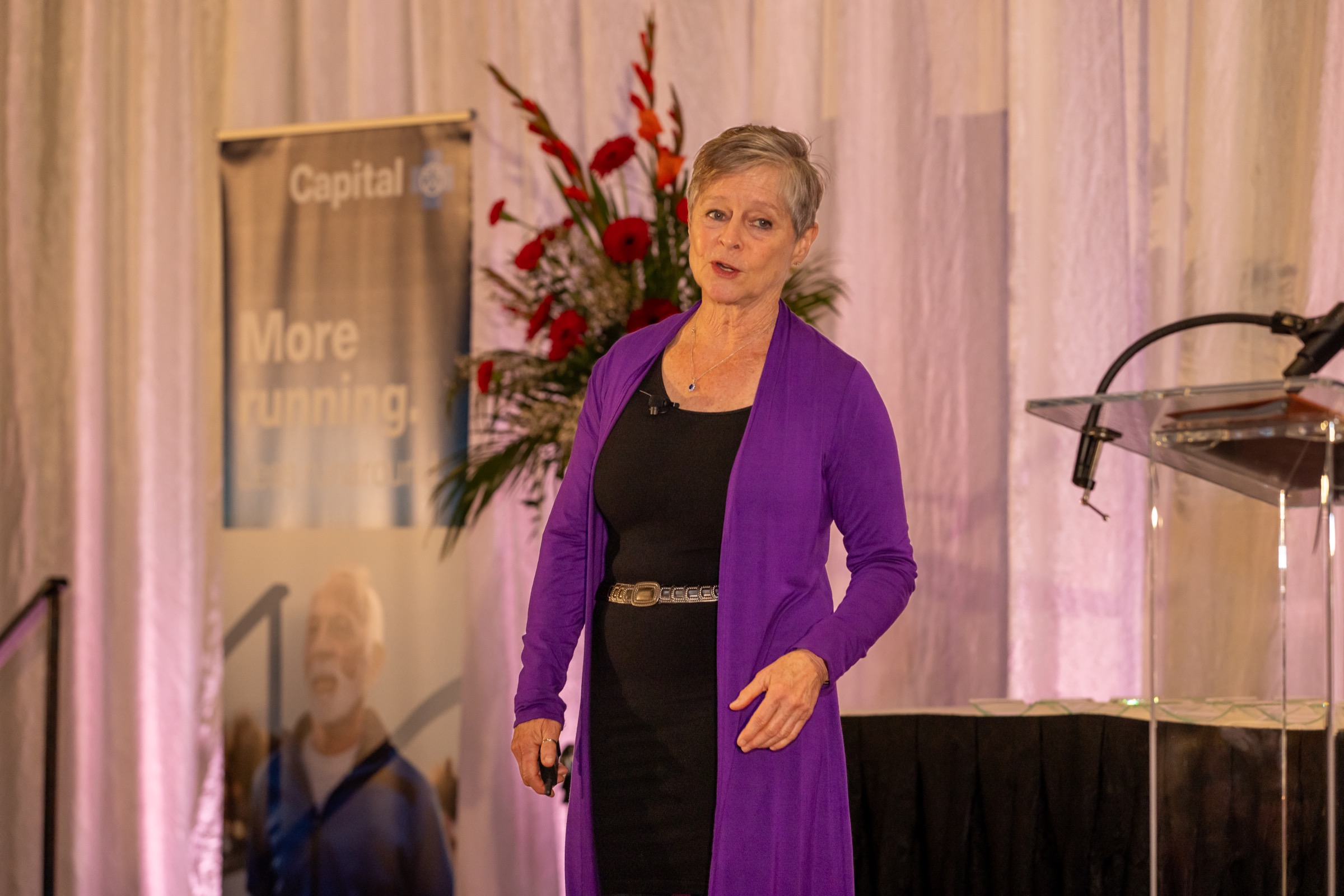
Plus, there’s hope, and hope is powerful. I say from the stage that being in an abusive relationship is like walking down a long hall lined with doors. Two days a week a door flings open and someone steps out and punches you in the gut. You never know what day it’ll be, but hey you had five good days! Plus promises that they’ll never do it again. That they’re sorry. And there’s makeup sex and special dinners and maybe flowers or a gift. They’ll never do it again, they insist … if you never make them. Because you know better than to tell them to pick up their wet towel, or to stop tailgating, or to buy their own parents’ holiday gifts. You know better! And that becomes part of the coercion, the belief that if you were only good enough they wouldn’t hurt you.
When I’m on stage, speaking about coercive control, I see people’s eyes fill with tears. They lean forward. They put down their phone or their fork and really listen. Afterward they want a private moment. “This happened to me,” they say. Or their sister/mom/cousin/friend. Or they ask, “This is happening in my home, is it abuse?” and they share behaviors they know in their gut are not loving and respectful and supportive – the things they know they deserve from a partner.
Those welled eyes and private conversations are the richest part of being an anti-domestic violence speaker. I present to judicial and law enforcement conferences, to the military and sports teams and entire universities. But one of my favorite moments comes after a successful fundraising keynote, where I’m raising awareness and money for domestic violence shelters and service providers, and the audience rises for a standing ovation. An ovation that I can turn so that it’s aimed not at me, but at the shelter personnel, the ones doing the real work of saving lives.
That is one of my favorite moments in my life as an anti domestic violence speaker.